


AI Ecommerce Video Ad Creative Services: How Brands Build Better Campaigns
Ecommerce brands need more than one product image or one advertisement. Customers discover products through social feeds, search results, product pages, email, and retargeting campaigns. Each place gives the brand a different opportunity to explain the product and encourage the next step.
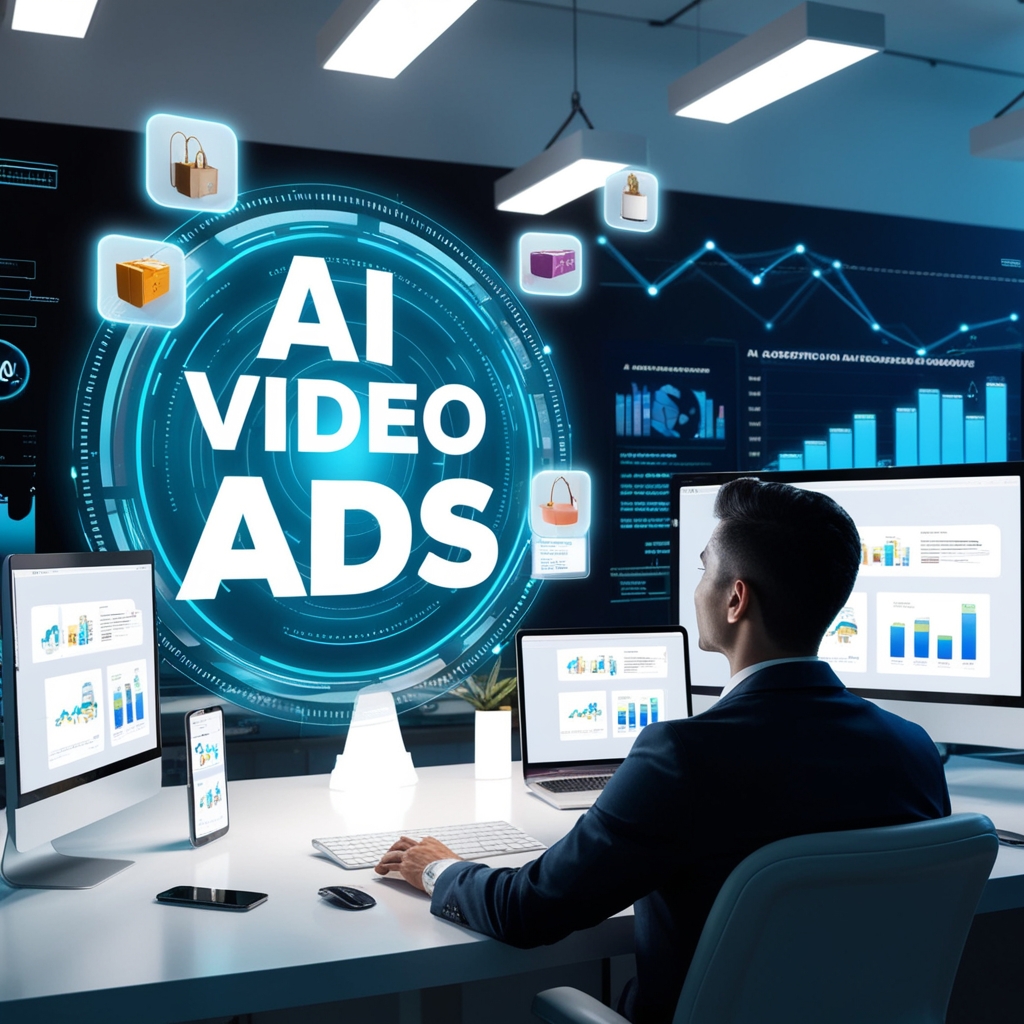
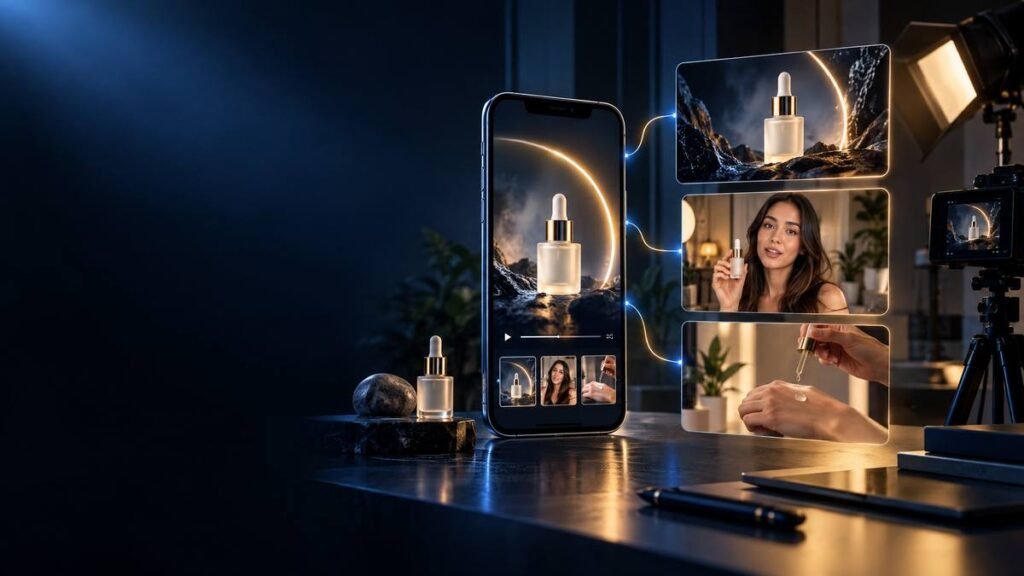
That is where AI ecommerce video ad creative services can help. A structured video campaign can turn one product brief into several useful creative formats, including product demonstrations, UGC-style videos, cinematic CGI ads, storytelling campaigns, process videos, spokesperson content, and short-form social ads.
AI-assisted production can help brands explore concepts, build storyboards, create visual variations, prepare captions, and adapt a campaign for different platforms. The strategy still needs to begin with the customer, the product, and one clear campaign objective.
What are AI ecommerce video ad creative services?
AI ecommerce video ad creative services are professional creative services that use artificial intelligence during parts of the video advertising process. AI may support ideation, scripting, storyboards, generated scenes, animation, voiceover, virtual presenters, captions, editing, or content versioning.
The finished campaign may use real product photography, approved footage, generated environments, AI-assisted effects, or a combination of these methods. The goal is not to make every video look artificial. The goal is to create clear, attractive, accurate advertising content that helps the audience understand the product.
A useful campaign should also connect to a relevant landing page, product page, collection, or consultation route. Creative attention has more value when it leads to a clear customer journey.
Why ecommerce brands need multiple video creatives
One advertisement rarely suits every customer, platform, and stage of the buying journey. A new visitor may need a simple introduction. A returning visitor may need a demonstration or answer to a common objection.
Multiple creative formats can help a brand:
•Introduce a product to a new audience
•Explain one important feature
•Show how the product is used
•Build confidence through a human-style presentation
•Create a memorable product launch
•Answer a common buyer question
•Adapt content for vertical, square, and horizontal placements
•Test different hooks, benefits, and calls to action
The best creative plan is not the one with the largest number of videos. It is the one that gives each video a clear purpose.
7 campaign formats to consider
1. Product demonstration videos
A product demonstration shows how an item looks, works, or fits into a customer’s routine. It can answer questions about setup, size, use, features, or product variations.
For a detailed guide, see AI product demo videos for ecommerce brands. A demonstration may be especially useful when the product is difficult to understand from a photograph alone.
2. AI UGC-style ads
UGC-style ads use a relatable, direct presentation that resembles creator-led social content. This format can work when the audience wants a quick explanation, personal-style delivery, or demonstration in a familiar setting.
Explore AI UGC ads when the campaign needs a conversational style. The presenter should not be described as a real customer or imply personal experience that does not exist.
3. AI CGI product ads
CGI ads can create a dramatic product environment, explain a product through animation, or give a launch campaign a distinctive visual identity.
See AI CGI ads for ecommerce brands for ideas about cinematic product visuals. Generated scenes must still preserve important product details, packaging, colors, and functions.
4. Storytelling ads
Storytelling ads place the product in a customer situation, routine, aspiration, or problem-and-solution sequence. This can help the audience understand why the product matters rather than only what it looks like.
Related guidance is available in AI storytelling ads for ecommerce brands. Keep the story specific and connect it to one credible product benefit.
5. Process ads
Process ads explain how products are made, prepared, checked, packaged, or delivered. They may be useful when craftsmanship, materials, preparation, or transparency are part of the brand’s value.
Learn more about AI process ads for ecommerce brands. A generated reconstruction should not be presented as real documentary footage if it does not show the actual process.
6. AI spokesperson ads
A virtual spokesperson can introduce a product, explain one feature, answer a common question, or guide viewers to a product page.
For a presenter-led campaign, see AI spokesperson ads for ecommerce brands. Use a licensed likeness and voice, avoid false endorsements, and review the script for accuracy.
7. Short-form video ads
Short-form ads are designed for fast-moving social feeds. They may use a strong opening, one product benefit, readable captions, and a direct call to action.
See AI short video ads for ecommerce brands for a mobile-first approach. The video should remain understandable when the viewer watches without sound.
How to choose the right creative format
Start with the customer’s question rather than the production technology. Ask what the audience needs to understand before taking the next step.
Choose a product demonstration when the product needs to be seen in use. Choose UGC-style content when a relatable explanation fits the audience. Choose CGI when visual impact or product animation is central to the campaign. Choose storytelling when the product needs a customer context. Choose process content when the making or preparation matters. Choose a spokesperson when a direct explanation is the clearest route.
Some campaigns can combine formats. For example, a short video may open with a spokesperson, continue with a product demonstration, and finish with a process or packaging scene.
A practical workflow for an ecommerce video campaign
Step 1: Define the objective
Decide whether the video is for awareness, product education, conversion, retargeting, a launch, or a consultation. One video can support more than one goal, but one primary objective keeps the creative focused.
Step 2: Identify the audience
Describe the customer’s situation, concern, level of product knowledge, and likely reason for buying. A clear audience produces a clearer message.
Step 3: Select one main benefit
Choose the benefit the viewer should remember. Avoid placing every feature, promotion, company value, and product detail into one short video.
Step 4: Prepare approved assets
Provide product photographs, packaging files, brand colors, logos, specifications, permitted claims, and examples of suitable visual styles.
Step 5: Create the concept and script
Write the opening hook, product message, supporting visual, and call to action. The script should be natural when spoken and accurate when checked against the product information.
Step 6: Produce platform variations
Plan the correct aspect ratio, duration, caption treatment, safe areas, and landing-page link for each platform. Do not assume that one crop works everywhere.
Step 7: Review before publishing
Check product accuracy, claims, captions, audio, rights, disclosure, call to action, and landing-page consistency.
What makes an AI video ad credible?
A premium look does not automatically create trust. Credibility comes from accurate information and a consistent customer experience.
Review the following before approval:
•Product shape and packaging
•Labels, colors, and sizes
•Demonstrated functions
•Material or ingredient claims
•Pricing and availability
•Delivery information
•Presenter likeness and voice rights
•Music and visual licensing
•Disclosures for synthetic presenters or generated scenes
•Consistency between the ad and the destination page
Do not use an AI-generated presenter as a false customer testimonial. Do not show a product achieving a result that it cannot reliably deliver.
Internal linking for an ecommerce advertising content hub
Internal links help readers move from a general service explanation to the most relevant specialist topic. They also help organize related content for search engines.
This article links to the main ecommerce video advertising services page, the Samin AI Marketing Hub portfolio, and each specialist content area. Add a link back to this article from at least two older posts so the new page is not isolated.
This article connects the main ecommerce video advertising services page, the Samin AI Marketing Hub portfolio, and the specialist topics that help ecommerce brands choose the right creative format. Readers can explore product demonstrations, UGC, CGI, storytelling, process, spokesperson, and short-form video advertising through the related guides linked throughout this article.
For brands comparing several campaign formats, AI ecommerce video ad creative services can bring product demonstrations, UGC, CGI, storytelling, and spokesperson videos together in one campaign plan.
How to measure creative performance
A video should be evaluated against its purpose. Useful signals may include view-through rate, watch time, engagement, click-through rate, landing-page behavior, add-to-cart activity, conversion rate, and qualified enquiries.
Do not judge every creative only by views. A video designed to answer a product question may support conversion even if it does not produce the largest reach. Compare videos with similar audiences, placements, budgets, and campaign objectives where possible.
How Samin AI Marketing Hub supports ecommerce brands
Samin AI Marketing Hub creates AI video advertising content for ecommerce brands, including product demonstration videos, AI UGC ads, AI CGI ads, storytelling ads, process ads, short video ads, and AI spokesperson ads.
The best starting point is a clear brief containing the product, customer, campaign objective, approved claims, brand direction, platform requirements, and desired call to action. The creative format can then be selected around the message instead of forcing every product into the same style.
To review available services, visit the Samin AI Marketing Hub Services page or explore the portfolio. To discuss a campaign, book a consultation.
Final thoughts
AI ecommerce video ad creative services can help brands build a connected library of product demonstrations, UGC-style ads, CGI campaigns, process videos, storytelling content, spokesperson videos, and short-form variations.
The strongest campaigns begin with one audience and one clear message. Choose the format that explains the product naturally, keep every claim accurate, link related content together, and direct each viewer to a relevant next step.
Frequently asked questions
What are AI ecommerce video ad creative services?
They are professional services that use AI-assisted tools to plan, create, adapt, or finish video advertising content for ecommerce products and campaigns.
Which video format is best for an ecommerce brand?
The best format depends on the product, audience, platform, and campaign objective. A demonstration may suit a complex product, while UGC, CGI, storytelling, process, spokesperson, or short-form content may suit other goals.
Can one product brief create several videos?
Yes. One approved brief can support several focused concepts and platform variations. Each version should still have a clear purpose and accurate product information.
Do AI video ads guarantee more sales?
No. Video can improve communication and creative testing, but performance also depends on the offer, audience, landing page, pricing, targeting, and customer experience.
What should a brand provide before production?
Provide product assets, specifications, approved claims, target audience information, brand guidelines, platform requirements, preferred style, deadline, and the desired call to action.