


First of all, let’s clear something up.
AI generated ads are not bad.
They are not ruining marketing.
And they are definitely not going away.
What is bad is how most beauty brands are using artificial intelligence advertising without understanding what actually drives trust, desire, and purchase behavior.
I’ve worked with beauty founders who came to us frustrated—confused about why their AI video ads were getting views but no sales. Some had millions of impressions. Others had viral comments. But when we looked at revenue?
Flat.
Or worse—declining.
And this is where the uncomfortable truth begins.
AI generated ads don’t fail because of technology.
They fail because beauty marketing is emotional, sensory, and perception-driven—and AI doesn’t understand that unless humans lead it.
Wait, there is more.
Most brands don’t even realize their AI ads are hurting them until customer trust is already damaged.
Beauty is not software.
It’s not SaaS.
It’s not impulse gadgets.
Beauty buyers are buying:
Confidence
Identity
Self-image
Safety
Results on real skin
Artificial intelligence advertising that ignores this reality creates visuals that look impressive—but feel empty.
And this is not all.
Beauty customers are visually trained. They scroll faster, judge quicker, and trust less than ever before.
Which means your AI generated ads are being evaluated in under 1.5 seconds.
If something feels fake?
They’re gone.
This is the first and most common mistake.
Most AI generated ads start with a question like:
“What looks cool?”
Instead of:
“What builds trust for this brand?”
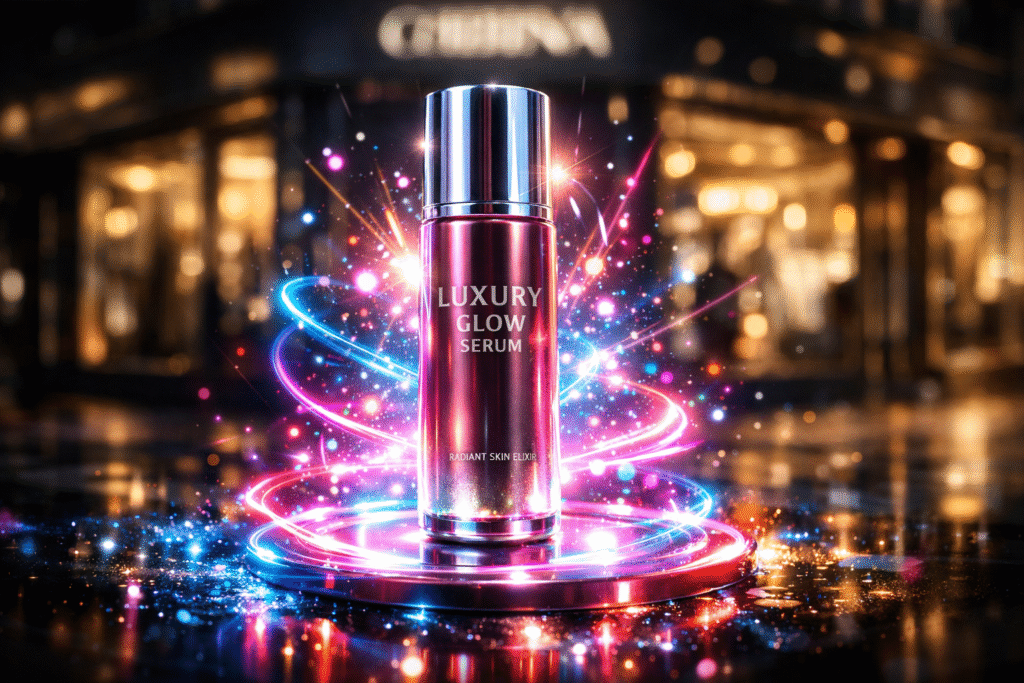
I’ve personally reviewed dozens of AI video ads where the product floated through neon tunnels, exploded into particles, or rotated endlessly under artificial lighting.
And every time, the same thing happened.
The product stopped feeling premium.
Beauty brands forget that visual restraint signals confidence.
When artificial intelligence advertising focuses on effects:
The product loses authority
The brand looks trend-chasing
The price feels unjustified
And this is not everything.
Many founders think “luxury” means “more effects,” when in reality, luxury means less—but intentional.
Premium AI Ads Fix This By:
Starting with brand positioning
Matching visuals to price point
Using AI to enhance elegance, not noise
This is where most AI generated ads quietly fail.
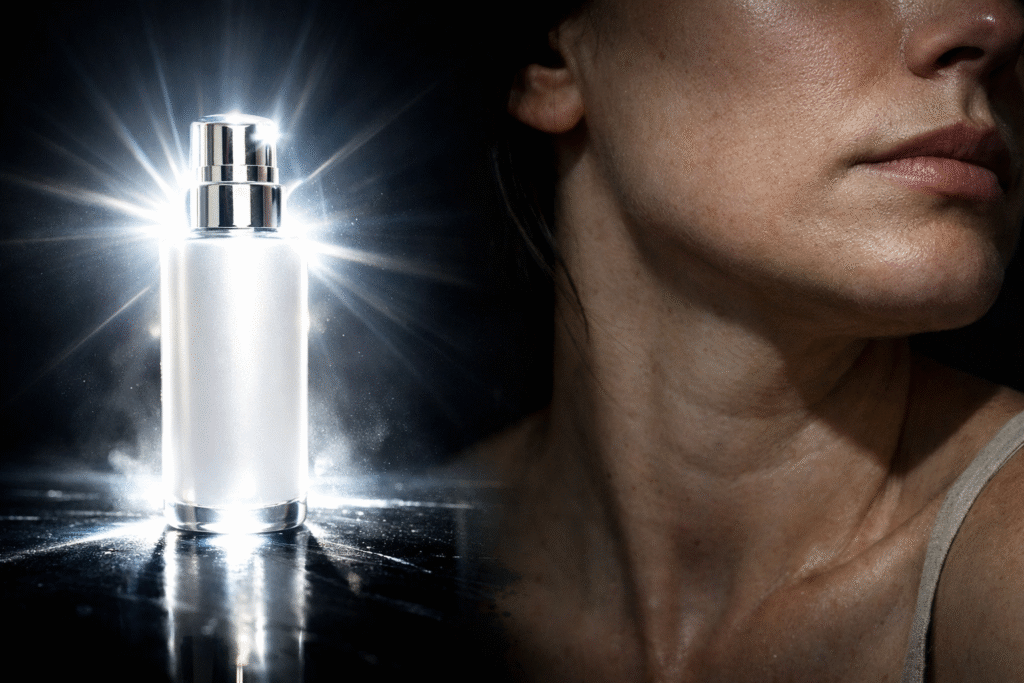
Lighting.
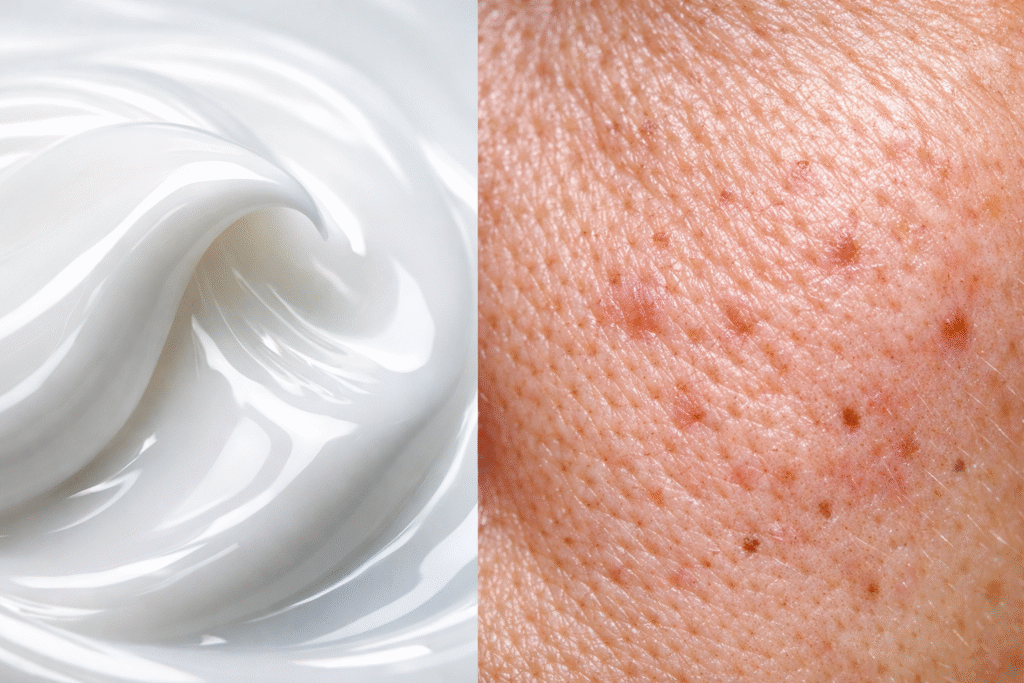
Texture.
Reflection.
Skin realism.
I once watched a beauty founder stare at their AI ad and say:
“It looks amazing… but I wouldn’t buy this.”
That sentence explains everything.
AI doesn’t naturally understand:
How glass refracts light
How serum moves on skin
How shadows communicate depth
How realism builds believability
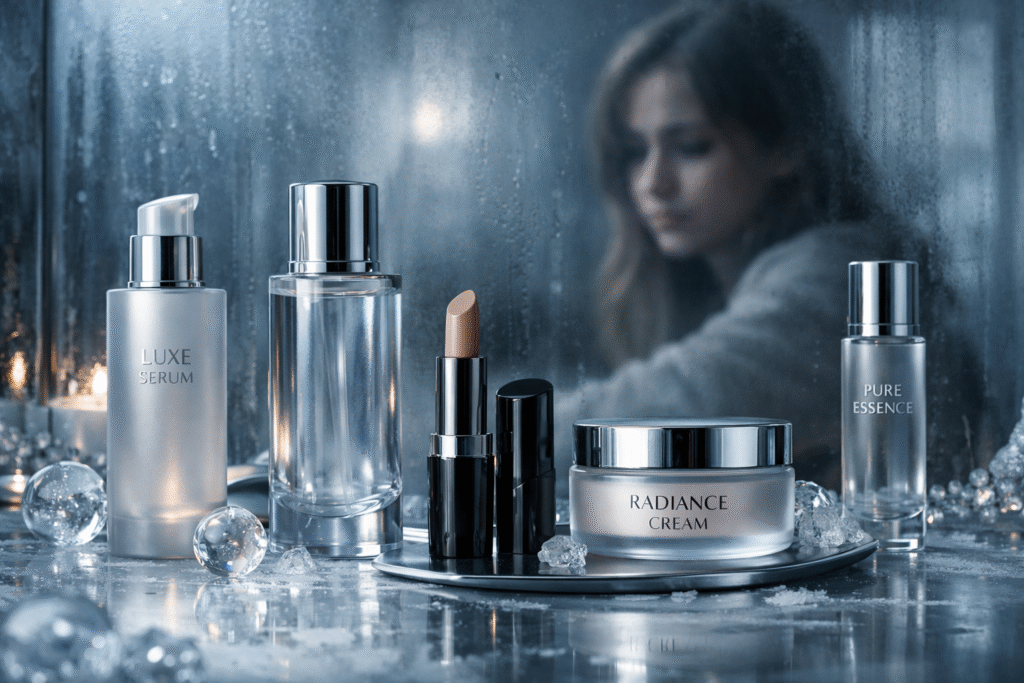
So when artificial intelligence advertising generates overly smooth textures or impossible highlights, the brain flags it as fake.
And wait—there is more.
Beauty customers don’t consciously analyze this.
They feel it.
That feeling is distrust.
Premium AI Ads Solve This By:
Using studio lighting references
Controlling material physics
Human-reviewing every texture pass
Calibrating realism before publishing
Here’s a painful truth.
Most AI generated ads look busy—but say nothing.
I’ve seen ads where:
Backgrounds move more than products
Logos appear for half a second
Text competes with animation
Nothing tells the viewer what matters
And when nothing matters?
Nothing sells.
Artificial intelligence advertising often creates motion everywhere, but clarity nowhere.
And this is not all.
Beauty ads must answer three questions instantly:
What is this?
Why should I care?
Is this for someone like me?
If AI video ads don’t answer these fast?
Scroll.
Premium AI ADS Fix This With:
Clear hero framing
Intentional camera movement
Strategic negative space
Product-first composition
This one hurts brands long-term.
Many founders tell me:
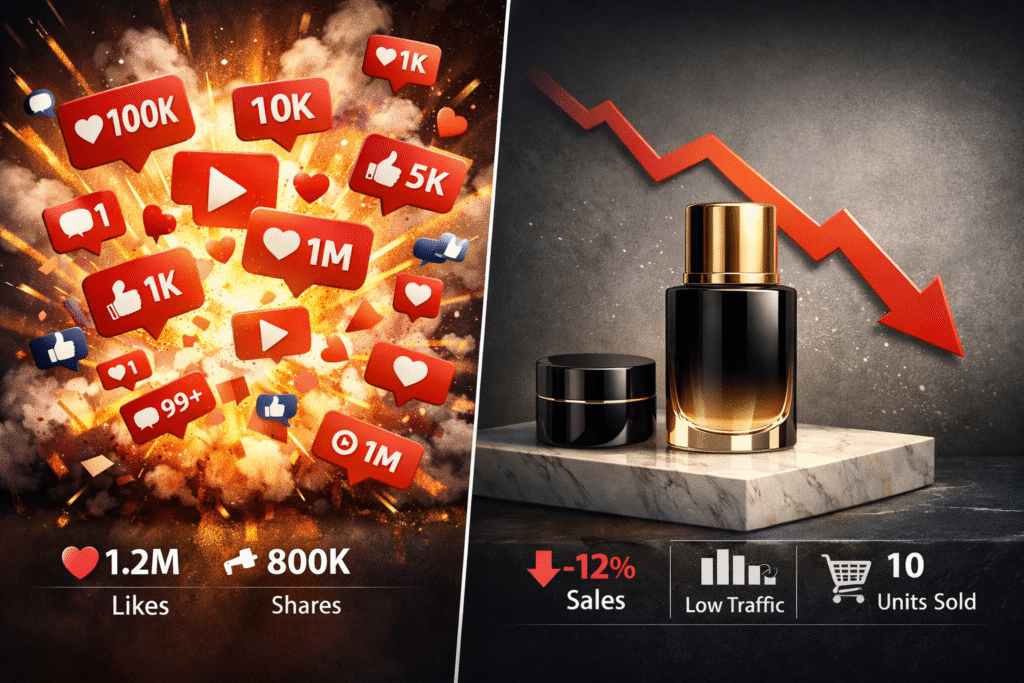
“But the ad went viral.”
Virality is not value.
Views are not trust.
Comments are not conversions.
And the real twist is yet to come…
Viral AI generated ads often attract the wrong audience—people who enjoy visuals but have no buying intent.
Artificial intelligence advertising optimized only for engagement creates:
Short-term spikes
Long-term brand erosion
Lower perceived quality
Beauty brands don’t need everyone.
They need the right buyers.
Premium AI Ads Focus On:
Buyer psychology
Education + aspiration
Purchase intent, not shock value
This is where everything breaks.
When brands let AI:
Write the message
Decide pacing
Choose emotional beats
Control storytelling
The result is technically impressive—but emotionally empty.
AI can generate content.
It cannot feel hesitation.
It cannot understand insecurity.
It cannot sense desire.
And beauty marketing lives in those spaces.
This is why AI ads without human leadership feel cold.
Artificial Intelligence Advertising Needs Humans Because:
Humans understand emotion
Humans understand culture
Humans understand trust
AI should assist—not decide.
Here’s something most founders don’t notice at first.
AI generated ads are starting to look the same.
Same transitions.
Same lighting.
Same pacing.
Same CGI language.
And in beauty marketing, sameness equals invisibility.
Wait—there is more.
Algorithms don’t reward originality anymore.
Consumers do.
If your ads feel templated, your brand becomes forgettable.
Premium AI Ads Avoid This By:
Custom prompt engineering
Brand-trained visual systems
Human creative direction
Platform-specific customization
This is the silent killer.
Most AI ads are created without asking:
What objection are we solving?
What emotion triggers purchase?
What action comes next?
Artificial intelligence advertising without conversion intent becomes digital decoration.
Pretty.
Useless.
Premium AI Ads Are Built Around:
Funnel stage awareness
Clear CTAs
Platform behavior
Sales psychology
How Premium AI Ads Actually Fix Low Sales
Now let’s flip the story.
When AI ads are executed properly, they:
Reduce production costs
Increase creative testing speed
Maintain premium perception
Scale brand-safe content
Improve ROAS
The difference?
Strategy + realism + human control.
And this is not all.
Premium AI ads don’t replace traditional creatives.
They upgrade them.
1. Letting AI Control the Entire Creative Process
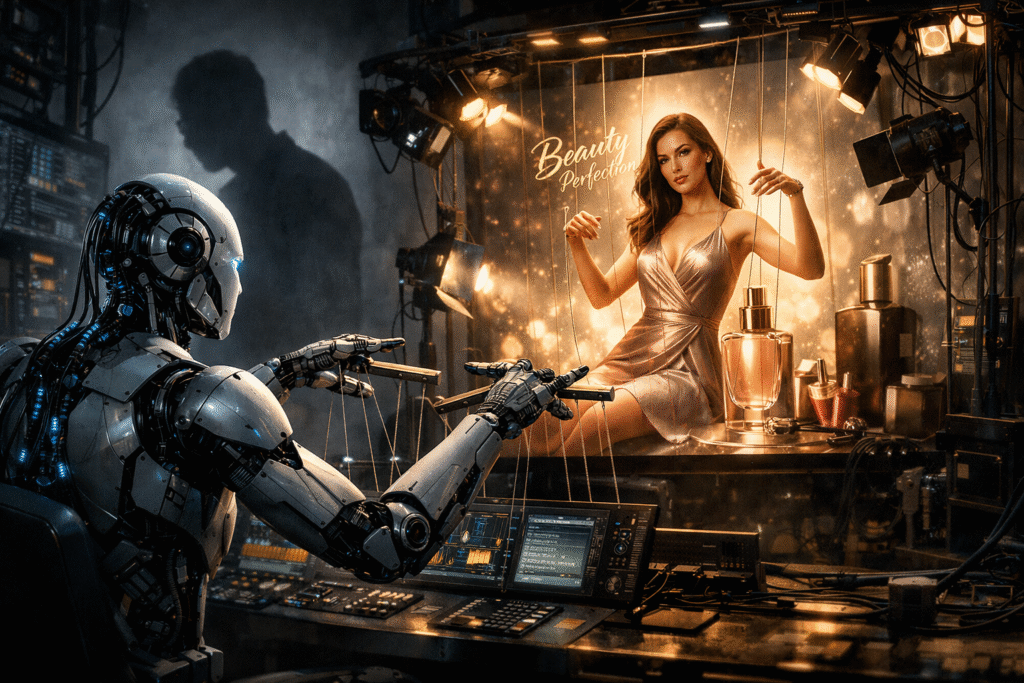
When AI generated ads are created without human oversight, they often feel generic and emotionally flat. Artificial intelligence advertising needs direction to align visuals with brand identity and buyer expectations.
2. Overusing CGI Effects in AI Video Ads
Excessive motion, particles, and transitions make products look artificial. Beauty brands must prioritize realism, or AI video ads risk lowering trust instead of increasing conversions.
3. Ignoring Realistic Lighting and Textures
Poor lighting and unrealistic textures instantly expose AI generated ads as fake. In beauty marketing, realism is non-negotiable because customers judge quality visually before anything else.
4. Chasing Virality Instead of Purchase Intent
Many artificial intelligence advertising campaigns focus on views rather than sales. Viral AI video ads attract attention—but often from audiences with no buying intent.
5. Using Generic Prompts Across Campaigns
Reusing the same prompts causes AI generated ads to look identical. This makes brands blend into the market instead of standing out.
6. Forgetting Brand Positioning
AI video ads that don’t reflect price point and audience perception confuse customers. Artificial intelligence advertising must reinforce brand authority, not dilute it.
7. Skipping Emotional Storytelling
AI can generate visuals, but it cannot feel emotion. When ads lack emotional context, AI generated ads fail to connect with beauty consumers.
8. Over-Automating Without Testing
Publishing AI video ads without testing variations removes optimization opportunities. Artificial intelligence advertising thrives on iteration and feedback.
9. No Clear Call-to-Action
Beautiful AI generated ads without direction result in lost conversions. Every ad must guide viewers toward a next step.
10. Measuring Clicks Instead of Trust
Focusing only on metrics like views and clicks hides deeper problems. Successful artificial intelligence advertising measures perception, credibility, and long-term brand value.
1. Use AI as a Creative Assistant, Not a Decision-Maker
AI generated ads perform best when humans control messaging, pacing, and emotional tone while AI handles execution.
2. Prioritize Realism in AI Video Ads
Natural lighting, believable textures, and accurate reflections make artificial intelligence advertising feel premium and trustworthy.
3. Match Visual Style to Brand Price Point
Luxury brands need restraint. Mass brands need clarity. AI generated ads must visually justify the price customers are asked to pay.
4. Design AI Video Ads Around Buyer Psychology
Understanding insecurity, aspiration, and desire helps artificial intelligence advertising influence buying behavior more effectively.
5. Create Clear Visual Hierarchy
Your product must always be the hero. AI generated ads should guide the eye, not overwhelm it.
6. Customize Prompts for Each Campaign
Tailored prompts prevent repetition and help AI video ads feel unique, intentional, and brand-specific.
7. Blend AI Efficiency with Human Emotion
AI speeds up production, but humans add meaning. Artificial intelligence advertising succeeds when both work together.
8. Test Multiple Emotional Angles
Test confidence, transformation, luxury, and trust. AI generated ads allow rapid testing without massive production costs.
9. Optimize for Platforms, Not Just Visuals
AI video ads should be customized for TikTok, Instagram, and YouTube behavior patterns to maximize performance.
10. Measure Conversions, Not Just Engagement
The real success of artificial intelligence advertising lies in sales growth, repeat buyers, and long-term brand trust—not just views.
| Element | Bad AI Ads | Brand-Safe AI Ads |
|---|---|---|
| Lighting | Overexposed, fake | Studio-realistic |
| Texture | Plastic, glossy | Skin-accurate |
| Motion | Excessive | Controlled |
| Product Focus | Lost in effects | Clear hero |
| Trust Level | Low | High |
| Conversion | Poor | Strong |
At Samin AI Marketing Hub, we built our entire CGI advertising framework around one core insight: why AI ads are getting worse is not a technology issue—it’s a brand strategy failure. That’s why we don’t start with effects, prompts, or automation. We start with brand perception, buyer psychology, and conversion intent. Before a single frame is generated, we map your beauty brand’s positioning, price point, target audience, and emotional triggers. This ensures every AI ad we create reinforces trust, elevates perceived value, and supports sales—not just views.
We believe why AI ads are getting worse has nothing to do with AI tools—and everything to do with missing brand intelligence. Most ads fail because they start with effects instead of strategy. We reverse this completely.
Before creating any AI visuals, we define:
Brand positioning (luxury, masstige, indie, or clinical beauty)
Target buyer psychology and buying triggers
Price perception and value signaling
Platform-specific ad intent (paid ads vs organic virality)
Conversion goal (trust, education, or purchase)
This strategic foundation ensures every AI CGI ad supports brand perception first, not visual chaos. By anchoring creativity to intent, we eliminate the core problem behind why AI ads are getting worse and build ads that feel premium, intentional, and trustworthy to beauty consumers.
Once strategy is locked, we use AI as an enhancement layer—not a decision-maker. This is where most brands fail and why AI ads lose credibility. Our process is human-directed, conversion-focused, and realism-driven.
Our AI execution framework focuses on:
Studio-grade lighting to maintain luxury perception
Realistic material and texture simulation (glass, liquid, cream, shimmer)
Clear product hierarchy so the product remains the hero
Controlled motion that feels natural, not exaggerated
Camera angles designed to increase perceived product quality
Visual pacing aligned with beauty buying psychology
By blending AI speed with human creative control, we avoid the pitfalls that explain why AI ads are getting worse across the industry. The result is AI advertising that builds trust, supports sales, and protects long-term brand equity—especially for beauty brands targeting premium and U.S. markets.
At Samin AI Marketing Hub, we don’t chase viral visuals.
We build brand-safe AI ads that convert attention into revenue.
AI ads are not the problem.
Careless execution is.
In 2026, beauty brands that treat artificial intelligence advertising as a shortcut will continue to struggle. But brands that combine AI video ads with human creativity, strategic restraint, and buyer psychology will dominate trust—and sales.
The future belongs to premium AI ads.
AI ads are transforming beauty marketing, but only brands that use them strategically are seeing real sales growth. While automation makes it easy to produce content quickly, speed without strategy often leads to poor brand perception and low trust.
AI ads perform best when they enhance realism, emotion, and storytelling instead of replacing human creativity. Beauty customers are visually trained, emotionally driven, and highly skeptical—making thoughtful execution essential.
Artificial intelligence advertising works when AI supports human decision-making, not when it replaces it. Brands that combine AI efficiency with creative control, buyer psychology, and premium visual standards are the ones converting attention into revenue.
Ready to start creating viral, high-converting AI video ads for your brand? Join my AI Video Ads Mastery Course and learn how to create cinematic ads in minutes: no studio, no actors, no editing skills needed.
 Enroll now and transform the way you market in 2026.
Find quick answers to the most common questions about WHY AI ADS FAIL BEAUTY BRANDS? And discover how this simple editing step can instantly make your content more engaging, professional, and ready to grab attention in 2026.
AI generated ads use artificial intelligence to create visuals, animations, and videos automatically.
Yes—when human-led and strategy-driven.
Because they ignore trust, realism, and emotional buying behavior.
Is artificial intelligence advertising replacing agencies?
No. It’s transforming workflows, not replacing strategy.
Can AI generated ads be premium?
Absolutely—with the right process.
Why AI CGI ads are getting worse for beauty and skincare brands specifically?
Beauty consumers are highly sensitive to realism and authenticity. AI CGI ads are getting worse in beauty marketing because exaggerated textures, unrealistic lighting, and over-polished effects immediately signal “fake,” causing viewers to doubt product quality and results.
Why AI CGI ads are getting worse on social media platforms in 2026?
AI CGI ads are getting worse on social media because algorithms reward speed and volume, pushing brands to produce low-quality visuals quickly. This leads to repetitive, generic CGI that blends in and reduces brand credibility instead of building differentiation.
Why AI CGI ads are getting worse for conversion-focused campaigns?
AI CGI ads are getting worse for conversions when they prioritize virality over clarity. Flashy visuals without clear product hierarchy, usage context, or benefit communication confuse viewers and reduce purchase intent.
Why AI CGI ads are getting worse without human creative control?
AI CGI ads are getting worse when brands remove human direction entirely. AI can generate visuals, but only humans can judge emotional impact, brand alignment, and trust signals. Without creative leadership, AI outputs feel empty and disconnected from real buyer psychology.