



Not every ecommerce product needs the same type of advertisement. A skincare brand may need a relatable demonstration. A premium fragrance label may benefit from a cinematic visual concept. A product with a complicated setup may need a clear explainer instead of a dramatic effect.
Choosing the right AI video ad format begins with the customer, not the technology. The strongest creative idea is the one that makes the product easier to understand, more memorable, or more desirable to the people most likely to buy it.
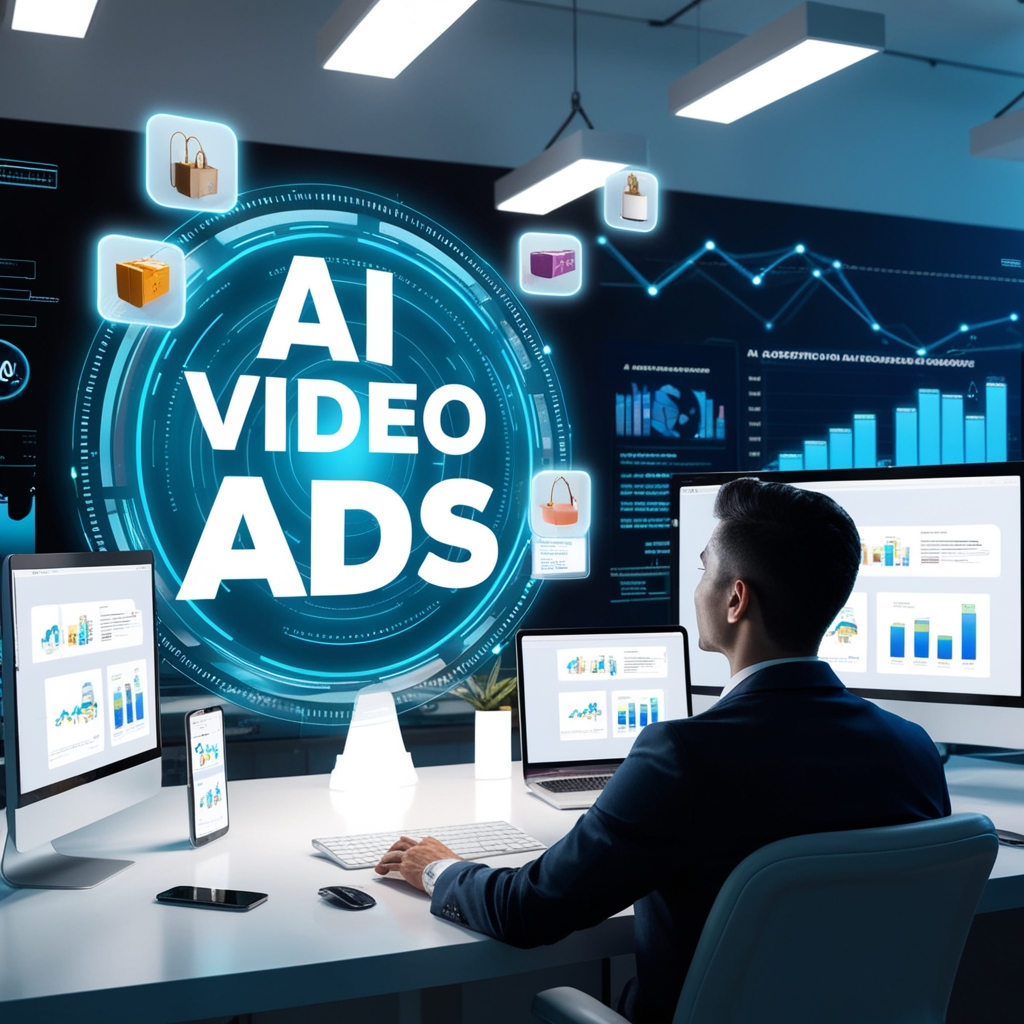
AI-assisted production gives ecommerce businesses more ways to create and test video content. Brands can explore UGC-style demonstrations, product stories, process videos, CGI scenes, miniature worlds, short-form edits, and virtual presenters. Each format has a different purpose, and each should be matched to a clear campaign goal.
Start with the campaign objective
Before choosing a format, decide what the advertisement needs to achieve. A campaign designed to introduce a new brand may require a different video from a retargeting campaign aimed at people who have already visited a product page.
If your goal is awareness
For awareness campaigns, the first priority is recognition. The video should make the product and brand easy to remember within a short viewing session. A distinctive CGI concept, miniature scene, or visually unusual product demonstration can help a new brand earn attention.
Awareness content does not need to explain every feature. It needs to create enough interest for the viewer to remember the product and take the next step.
If your goal is consideration
People in the consideration stage want more information. They may be comparing products, checking how something works, or deciding whether it is suitable for their needs.
A product demonstration, storytelling video, process ad, or spokesperson video can work well here. The content should answer practical questions and show the product in a believable context.
If your goal is conversion
Conversion-focused advertising should make the offer and next action clear. It may highlight a product benefit, demonstrate a result, overcome a common objection, or remind a warm audience why they viewed the product.
In this stage, clarity is often more valuable than visual complexity. A short video with a strong hook, accurate demonstration, clear captions, and a direct call to action may outperform a more expensive-looking concept that leaves viewers unsure about what to do next.
Match the format to the product
AI UGC ads for relatable product experiences
AI UGC ads use the familiar language of social content: direct delivery, everyday settings, personal-style demonstrations, and concise explanations. This format is often a good fit for products that customers want to see in use.
Beauty, skincare, fashion, wellness, household, and lifestyle products may benefit from this approach because the viewer can quickly imagine how the product fits into a normal routine.
The word “UGC” should be used carefully. An AI-generated person should not be presented as a real customer, and a synthetic testimonial should not claim personal experience that did not happen. Brands should use accurate scripts and make disclosures where they are required.
AI CGI ads for visual impact
AI CGI ads use imaginative scenes, animation, and cinematic scale to make a product stand out. A bottle might appear in a futuristic landscape, or a small product might be placed in a dramatic environment that communicates its personality.
This format works best when visual surprise is part of the brand strategy. It can be especially useful for launches, social campaigns, and products with strong packaging or recognizable physical features.
The main risk is losing the product inside the effect. The audience should still understand what the item is and why it matters. Keep the product visible, use realistic proportions when accuracy is important, and finish with a clear brand or product moment.
Storytelling ads for emotional connection
Storytelling ads place the product inside a short narrative. The story might begin with a customer problem, a memorable occasion, a daily routine, or a change the customer wants to make.
This format is useful for brands that sell more than a functional item. It can help communicate values, identity, comfort, confidence, convenience, or aspiration.
A short ad still needs focus. Use one central character or situation, one main product benefit, and one clear ending. If the story requires too much explanation, it may be better suited to a longer brand film or landing-page video.
Process ads for trust and transparency
Process ads show how a product is produced, packed, prepared, or delivered. They can help brands communicate care, quality, craftsmanship, and attention to detail.
This approach is particularly valuable when the production method is part of the reason customers choose the brand. It can also answer questions about materials, preparation, or packaging.
Accuracy is essential. A creative reconstruction should not be presented as a documentary record of a process that the company does not actually use. Review every scene, label, claim, and visual detail before publishing.
Short-form product ads for social platforms
Short-form ads are designed for fast-scrolling environments. They usually open with a visual hook or question, communicate one main idea, and finish with a simple action.
A good short-form ad is not merely a longer commercial shortened to fit a platform. It needs mobile-friendly framing, readable captions, quick pacing, and a first moment that makes sense even when the viewer has never heard of the brand.
Create several versions when possible. Test different openings, benefits, product angles, and calls to action rather than assuming that one creative idea will work for every audience.
AI spokesperson ads for clear communication
AI spokesperson ads use a virtual presenter or synthetic voice to deliver a message. This can be useful when a brand needs consistent presentation, multiple language versions, frequent updates, or a direct explanation of a product.
The presenter should sound appropriate for the audience and category. A serious product may need a calm, informative delivery, while a youth-focused lifestyle brand may use a more energetic style.
Always confirm the rights for the avatar, voice, music, likeness, and any other third-party assets. Do not create the impression that a public figure endorses a product without permission.
Choose the platform before producing the video
The same concept may need different versions for different platforms. A vertical video for TikTok or Instagram Reels should be composed for a phone screen. A product-page video may allow more time for explanation. A paid social ad may need a stronger opening and a more direct call to action.
Before production, decide:
•Where the video will appear
•Whether it will be organic content, paid advertising, or both
•Which aspect ratio is needed
•Whether captions are required
•Whether sound is likely to be enabled
•How long the video should be
•What action the viewer should take
Planning these details early reduces avoidable editing and export problems.
Build the creative around one customer problem
A common mistake is trying to include every product feature in one short advertisement. That usually produces a crowded script and a weak message.
Instead, choose one customer problem and answer it clearly. For example:
•“How can I make my morning routine faster?”
•“How can I see this product in use before I buy it?”
•“How can I choose the right option for my skin type?”
•“How can I make a small product launch look more distinctive?”
Once the problem is clear, select the format that communicates the answer naturally. A demonstration may be better than CGI. A process video may be more persuasive than a spokesperson. A story may be more memorable than a list of features.
What to provide to an AI advertising creator
A better brief usually leads to a better first concept. Provide:
1.Product photographs or approved footage
2.Packaging and logo files
3.Product specifications and permitted claims
4.The target customer
5.The campaign objective
6.The intended platforms
7.Examples of styles you like
8.Brand colors, tone, and visual guidelines
9.The required call to action
10.Any legal, medical, regulatory, or category restrictions
Also explain what the video must not say or show. This is especially important for beauty, wellness, health, financial, and children’s products.
Questions to ask before commissioning a project
Before beginning an AI video advertising project, ask for a clear written scope. Confirm:
•How many concepts are included
•How many finished videos will be delivered
•The expected video length and aspect ratio
•The number of revision rounds
•The turnaround time
•Whether captions and voiceover are included
•Which music and stock assets are licensed
•Whether source files will be supplied
•Where the final videos may be used
•Whether paid advertising usage is included
•How revisions and additional versions are priced
These details help prevent misunderstandings and make it easier to compare proposals from different creators.
How Samin AI Marketing Hub can support different campaign needs
Samin AI Marketing Hub offers several AI advertising formats for ecommerce brands, including AI UGC ads, storytelling ads, process ads, AI CGI ads , miniature ads, short video ads, and AI spokesperson ads.
That range allows the creative direction to be matched to the product and campaign rather than forcing every client into one template. A brand looking for a relatable demonstration may explore UGC-style content. A launch campaign may call for cinematic CGI. A company that wants to explain its craft or production may choose a process ad.
Prospective clients can discuss their product, audience, preferred style, and campaign objective during a consultation. The most useful starting point is a concise brief that explains what the audience should understand or feel after watching the video.
Final checklist before publishing an AI video ad
Before releasing the finished creative, review it from the customer’s perspective:
•Is the product recognizable?
•Is the main benefit clear?
•Does the first few seconds earn attention?
•Are all product details accurate?
•Are captions readable on a phone?
•Are claims supported by evidence?
•Are AI-generated people or voices disclosed appropriately?
•Are music, likenesses, and other assets properly licensed?
•Is the call to action easy to understand?
•Does the landing page match the promise in the ad?
An attractive video can generate attention, but the customer experience after the click still determines whether that attention becomes a sale.
Conclusion
The best AI video ad format is not automatically the most advanced or dramatic option. It is the format that communicates the product’s value to the right audience on the right platform.
Use UGC-style content when relatability matters. Choose CGI when visual distinction is central to the campaign. Use storytelling to build emotional meaning, process ads to show how the product is made, short-form ads to compete for attention in social feeds, and spokesperson videos when a direct explanation is most useful.
Start with the customer problem, choose one main message, and then select the production style that supports it. That approach will make the creative clearer, easier to test, and more useful for the ecommerce brand behind it.
To discuss an AI video advertising concept for your ecommerce business, book a consultation with Samin AI Marketing Hub.
Frequently asked questions
Which AI video ad format is best for a new ecommerce brand?
There is no single best format for every new brand. A short product demonstration or UGC-style video can be a practical starting point because it introduces the product clearly. A CGI or storytelling concept may be more suitable when visual identity and brand awareness are the main objectives.
How long should an ecommerce video ad be?
The appropriate length depends on the platform, audience, and message. Short social ads often benefit from concise editing, while product-page videos may need more time to demonstrate the product. Keep the video as long as necessary to communicate one clear idea and no longer.
Should an AI-generated spokesperson look like a real person?
A virtual presenter can look realistic, but the audience should not be deliberately misled. Use appropriate disclosure, avoid unauthorized likenesses, and make sure the presenter does not make unsupported personal claims.
Can one video be used on every platform?
A master concept can often be adapted, but the final edit should be reviewed for each platform. Aspect ratio, captions, pacing, safe areas, duration, and calls to action may all need to change.
How can a brand make AI advertising feel less generic?
Use a specific customer insight, accurate product details, a distinctive visual direction, and a brand voice that is not interchangeable with a competitor’s. Original product footage, packaging, color choices, and real campaign information can also make the final creative more relevant.